
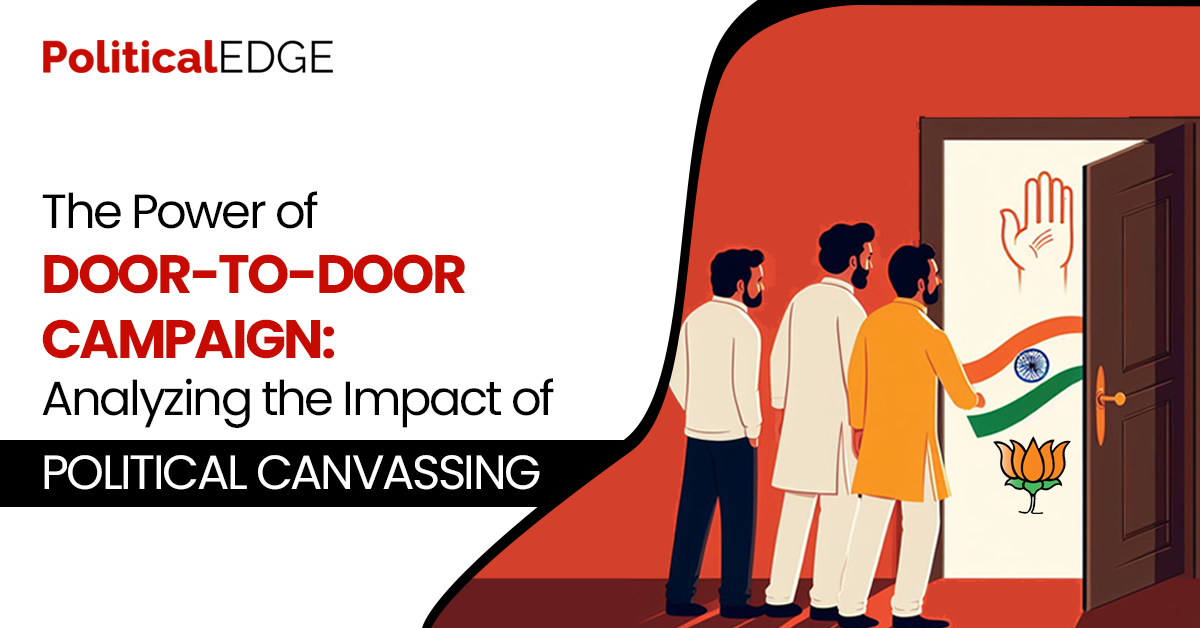
Door to Door Campaigning in elections in India is a common and crucial strategy employed by political parties and candidates to connect with voters at a personal level. Here's how it typically works Identification of Target Areas: Political parties and candidates identify specific areas and constituencies where they need to focus their campaigning efforts. This could be based on demographic data, past voting patterns, or strategic considerations. Formation of Campaign Teams: Teams are formed comprising party workers, volunteers, and sometimes hired campaign professionals. These teams are usually organized at the local level and are responsible for carrying out the door-to-door campaign. Preparation of Campaign Material: Campaign material such as leaflets, pamphlets, brochures, and sometimes small gifts or promotional items are prepared to be distributed during the door-to-door visits. These materials usually contain information about the candidate, their party's agenda, and key election promises.


Opinion Polls play a significant role in shaping public perception and influencing electoral strategies in India. They are conducted by various polling agencies and media organizations to gauge the preferences and sentiments of voters leading up to elections. Here are some key points about opinion polls in India: Methodology: Opinion polls use various methodologies such as random sampling, stratified sampling, or quota sampling to gather data from a representative sample of the population. These samples are often large and diverse to ensure accuracy. Sampling Techniques: Polling agencies use different techniques to reach respondents, including telephone interviews, face-to-face surveys, online questionnaires, and automated polling systems. Each method has its strengths and limitations, which can impact the reliability of the results.
Software Services refer to the range of services provided by companies or organizations related to software development, deployment, maintenance, and support. These services may include .Custom Software Development: Companies offer services to design, develop, and implement software solutions tailored to the specific needs and requirements of their clients. This involves programming, testing, and deploying software applications across various platforms and technologies . Application Development and Maintenance . Service providers create and maintain applications for different purposes, including web applications, mobile apps, enterprise software, and desktop applications. They ensure that the software remains functional, secure, and up-to-date through ongoing maintenance and support services

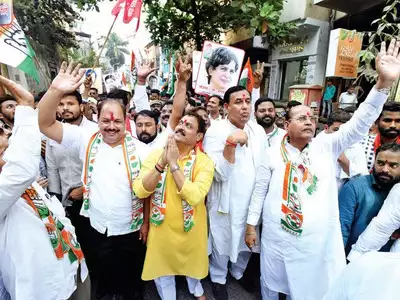
Election Campaigns in India are dynamic and multifaceted endeavors that involve various strategies, tactics, and activities aimed at garnering support from voters. Here's an overview of what typically happens during an election campaign in India.Political parties nominate candidates to contest elections in various constituencies. The selection of candidates is often based on factors such as popularity, loyalty to the party, and electability. Parties release their election manifestos outlining their vision, policies, and promises if they are elected to power. These manifestos serve as a blueprint for governance and are used to attract voters. Candidates and party leaders hold rallies and public meetings in different parts of the constituency to connect with voters, deliver speeches, and rally support for their candidacy and party.
The Voter list also known as the electoral roll, is a comprehensive list of individuals who are eligible to vote in elections within a specific constituency or electoral district. In India, the voter list is maintained by the Election Commission of India (ECI) at both the national and state levels. Here are some key points about the voter list. Citizens who are eligible to vote, typically aged 18 or above, can enroll themselves as voters by filling out the prescribed application form and submitting it to the Electoral Registration Officer (ERO) of their constituency. They need to provide proof of age, residence, and identity along with the application.Once the application is received, the ERO verifies the details provided by the applicant and adds their name to the voter list if everything is in order. The voter list is updated periodically to include new voters and remove the names of deceased individuals or those who are no longer eligible to vote
.jpg)
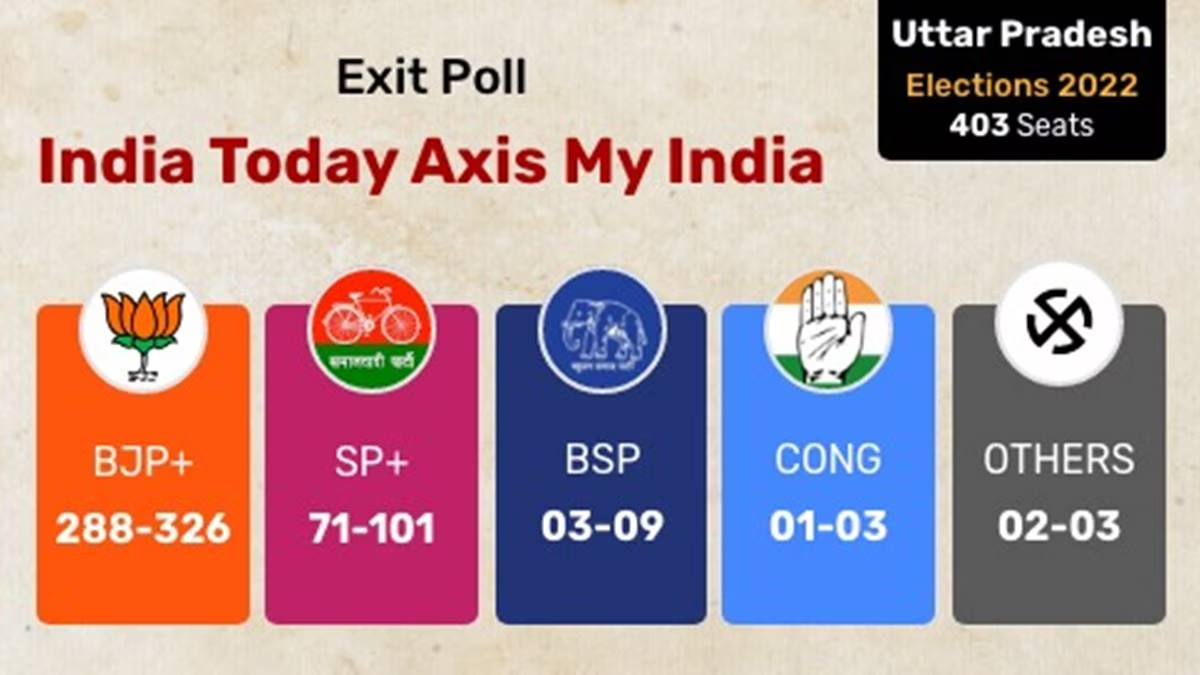
Exit Polls in elections are surveys conducted with voters as they leave their polling stations after casting their votes. These polls aim to predict the outcome of the election by capturing the voting behavior and preferences of the electorate.In the context of India, exit polls are commonly conducted during national, state, and local elections. They are typically carried out by media organizations, polling agencies, or research firms. Exit polls in India have gained significant attention and importance due to the country's large and diverse electorate and the high-stakes nature of elections.The results of exit polls are analyzed to provide insights into various aspects of the electoral process, such as voter demographics, regional variations, party performance, and potential swing factors. However, it's important to note that exit polls are not always accurate.
Political Canvassing in India involves various strategies and techniques used by political parties and candidates to engage with voters directly. Here are some common aspects of political canvassing in the Indian context.Door-to-Door Campaigning: Political workers and volunteers from door to door in neighborhoods and communities to interact with voters personally. They distribute pamphlets, leaflets, and other campaign materials, and engage in one-on-one conversations to convey the party's message and seek voter support.Street Corner Meetings: Political leaders and candidates hold public meetings at street corners marketplaces, and other accessible locations to address local residents. These meetings provide opportunities for direct interaction with voters, allowing candidates to present their platforms, address concerns, and solicit.
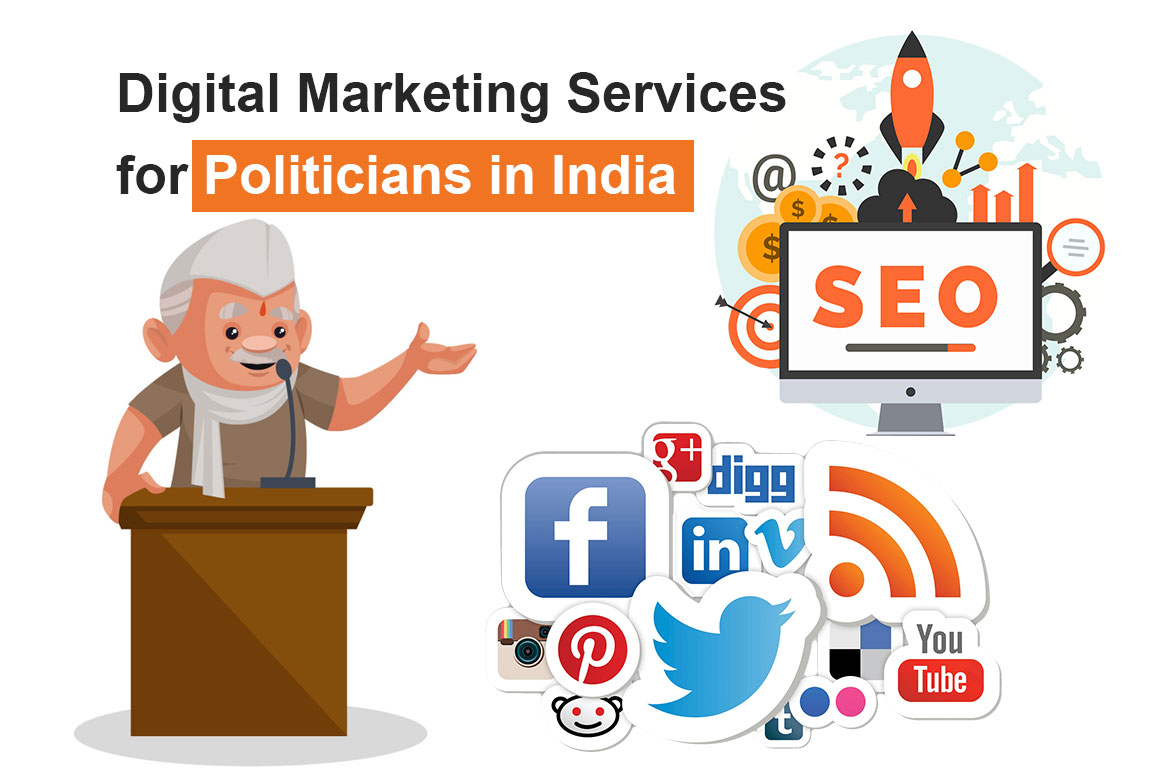
Social Media management plays a significant role in election campaigns in India, offering political parties and candidates a powerful platform to engage with voters, disseminate messages, and mobilize support. Here's how social media management is utilized in Indian elections Campaign Messaging and Content Creation: Political parties and candidates use social media platforms such as Facebook, Twitter, Instagram, YouTube, and WhatsApp to create and share campaign messages, videos, graphics, and infographics. They craft content tailored to specific demographics and target audiences to convey their policies, achievements, and promises effectively. Audience Engagement and Interaction: Social media enables direct interaction between political leaders, candidates, and voters. They engage in live chats, Q&A sessions, and virtual town halls.
Digital Media management plays a crucial role in election campaigns in India, where the vast majority of the population is active on various digital platforms. Here's how digital media management is utilized in Indian elections . 1. Social Media Strategy: Political parties and candidates formulate comprehensive social media strategies to engage with voters across platforms like Facebook, Twitter, Instagram, YouTube, and WhatsApp. These strategies involve content planning, audience targeting, and engagement tactics to reach a wide spectrum of voters. 4. Influencer Collaborations: Political parties collaborate with social media influencers, celebrities, and opinion leaders to amplify their message and reach new audiences. Influencers play a significant role in endorsing candidates, shaping public opinion, and driving engagement on digital platforms.
Conducting Comprehensive Research at the booth level during elections in India is crucial for political parties and candidates to understand voter demographics, preferences, and behaviors. Here's how such research is typically conducted . Voter Demographics: Researchers collect demographic data such as age, gender, occupation, income level, education, and caste/religious affiliations of voters in each polling booth. This information helps parties tailor their messaging and outreach efforts to specific demographic groups . 2. Voter Registration and Turnout Analysis: Researchers analyze voter registration data to identify trends in voter turnout across different booths. Understanding variations in turnout rates helps parties prioritize their mobilization efforts in areas with historically low turnout.
Constituency Management Software is a vital tool used in elections in India for managing various aspects of the electoral process within a specific constituency. Here are some key functionalities and features typically found in constituency management software used in Indian elections. Voter Registration and Database Management: The software enables election officials to maintain a comprehensive database of voters within the constituency. It facilitates voter registration, updates voter information, and ensures the accuracy and integrity of the voter rolls.2. Polling Station Management: Constituency management software helps in the organization and management of polling stations within the constituency.. It assigns polling stations to voters based on their residential addresses, manages polling booth logistics, and allocates polling staff efficiently.

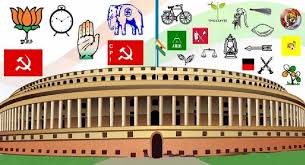
Political Research in India spans a wide range of topics, including political institutions, electoral behavior, governance, public policy, political economy, and social movements. Here are some key areas and approaches to political research in India . Electoral Politics Research in this area examines the dynamics of elections, including voting behavior, party systems, candidate selection, campaign strategies, and electoral reforms. Scholars analyze factors such as caste, religion, ethnicity, and regionalism that influence voting patterns. Political Institutions: This includes research on the functioning of India's political institutions such as the Parliament, judiciary, executive Branch.

Smart Educare is one of the top Political Consulting Firms
in India. The need for accurate
analysis in today’s world
© 2024 Smart Educare. All Rights Reserved. | Designed By Dynode Software Technology Pvt Ltd.

.png)